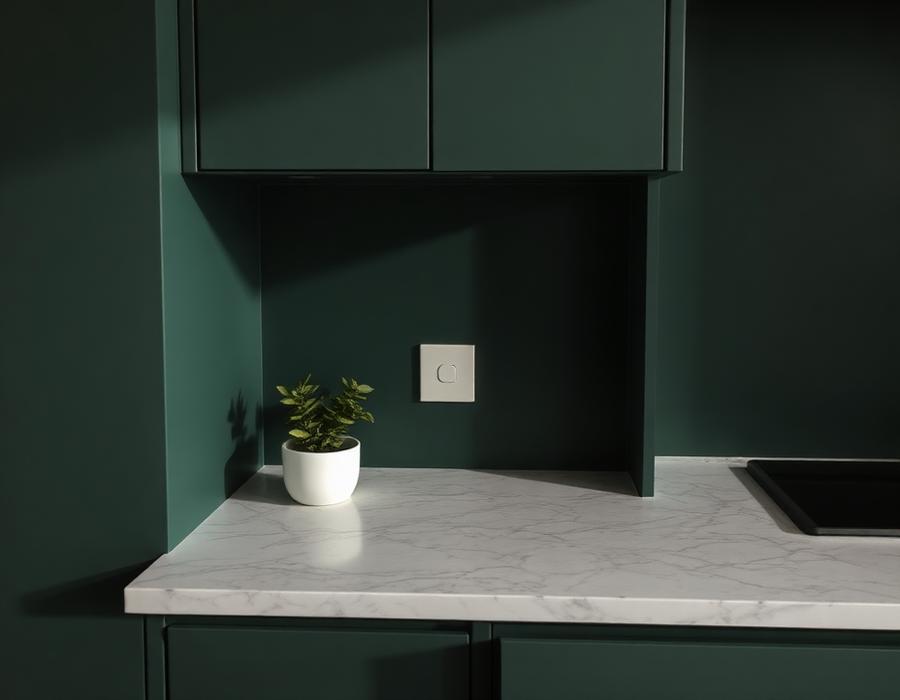
Every project we take on begins with the same first question and ends with the same last one. The first: what is this home really for? The last: does it now feel like the answer? Everything in between is the work.
01 — Listening
The brief behind the brief
Most clients arrive with a stated brief — a kitchen that opens to the garden, a primary suite with a proper dressing room, a hallway that finally works. Beneath that brief there is usually another one, quieter and more important: a way of living the client is hoping the house will help them settle into. Our first weeks are spent finding it.
We ask about mornings and evenings, about who cooks and who reads, about the times the current house works and the times it does not. We look at what the client keeps on their bedside table. The design that follows is a response to those answers, not to a magazine.
02 — Drawing
Getting the bones right before the finishes
We resist the temptation to talk about finishes early. Marble slabs and tap handles are seductive, and they will happily fill a meeting that should be spent on floor plans. The bones of a home — its circulation, its proportions, its light — are decisions you cannot easily unwind later. They deserve the first month, not the last week.
Only when the plan is holding weight do we begin the palette. By then the finishes have a job to do, not just a mood to project, and every choice becomes easier because it has a question to answer.
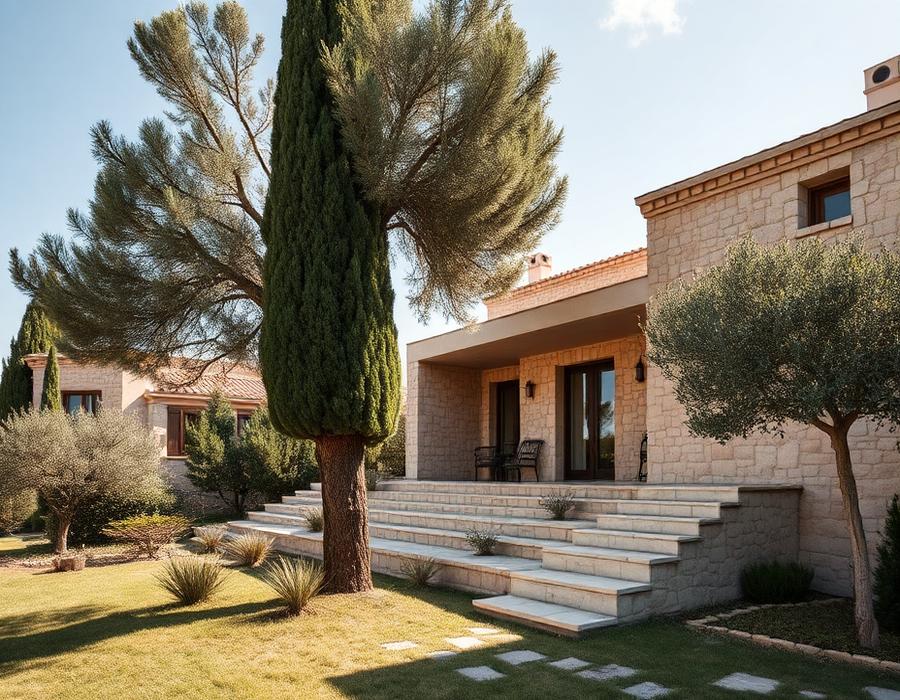
“The bones of a home deserve the first month, not the last week.”
03 — Making
On site, on the tools, on time
A drawing is a promise. Making it real is a different kind of work — one that lives in the site meetings, the sample boards, the phone calls with the joiner at seven in the morning. We are on site through construction because the decisions that determine whether a project sings or merely functions are almost all made there, in real conditions, with real light.
We hand over a home when it is finished, not when the deadline arrives. That is the only version of completion worth defending.
Our process is not a proprietary methodology. It is simply the ordinary discipline of doing each stage properly before beginning the next — listening before drawing, drawing before specifying, specifying before building, and building before signing off. Done in that order, homes tend to work. Done in any other, they tend not to.