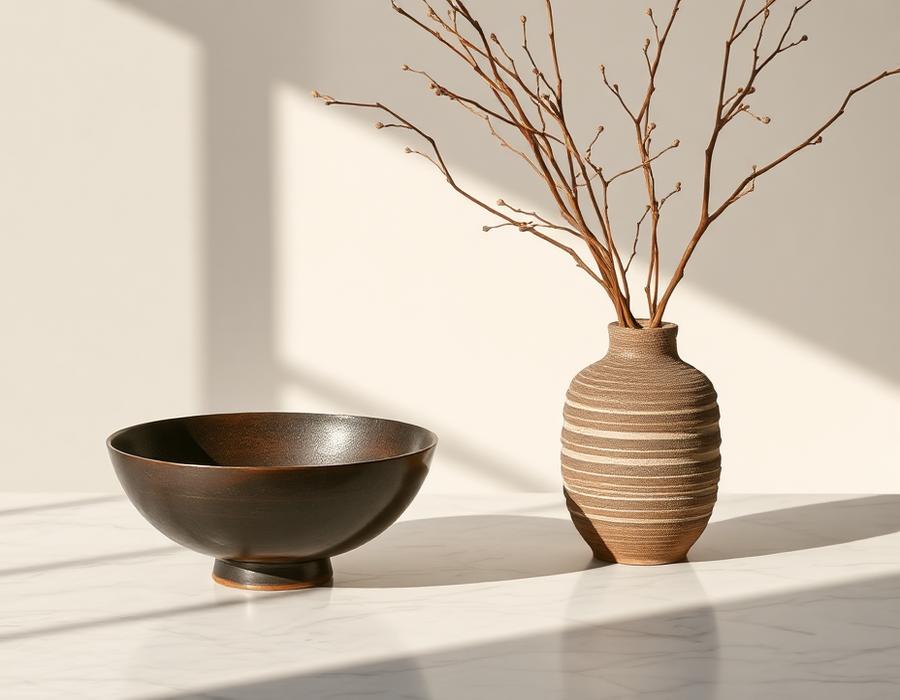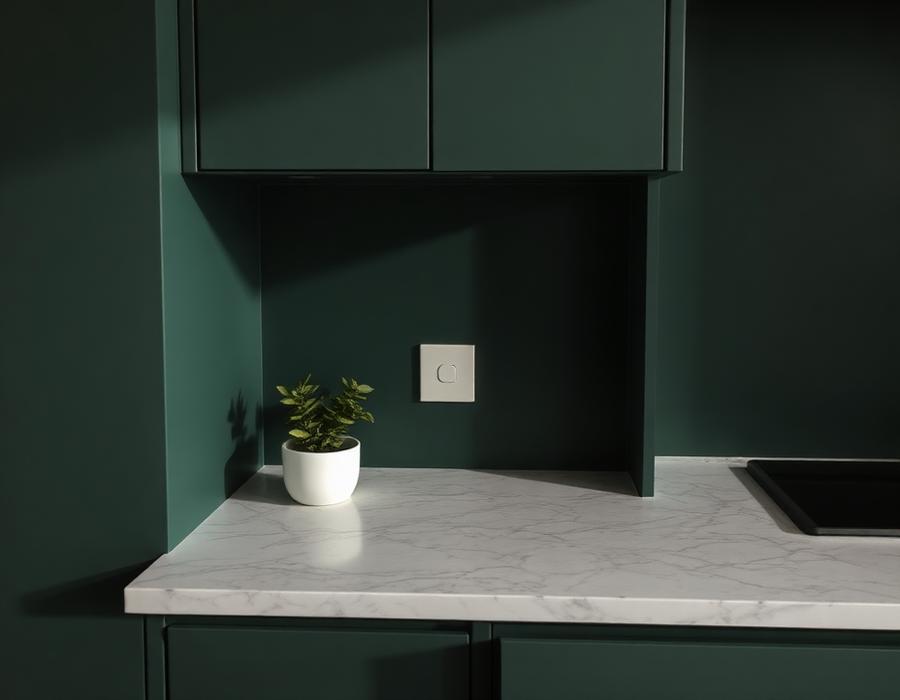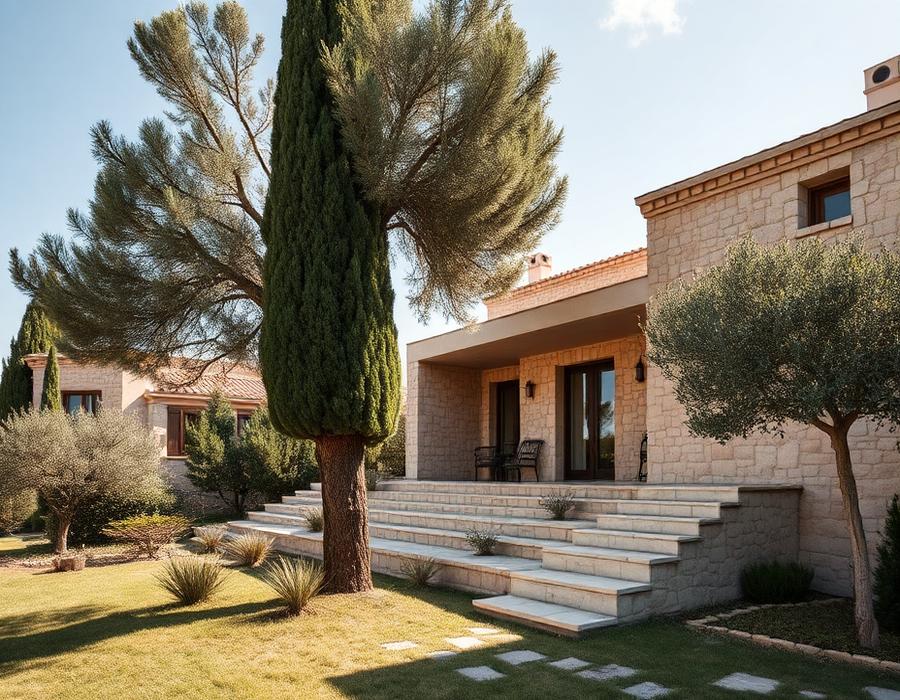
A house dates the moment it tries too hard to belong to its year. The buildings that continue to feel current thirty, fifty, a hundred years after they were drawn share very little in the way of style — and almost everything in the way of thought.
01 — Proportion
The quiet grammar of a room
Before finish, before furniture, before colour, there is proportion. The relationship between the height of a ceiling and the width of a window. The rhythm of a stair against the length of a hall. The distance between the front door and the first view of the garden beyond it. These are decisions that cost nothing extra and yet define everything.
Timeless architecture is almost always well proportioned. Trend-driven architecture almost never is, because proportion is invisible in a photograph and only felt in the body. It is the first thing a good architect protects and the first thing a rushed one gives away.
02 — Light
Designing for the sun you have
Contemporary living asks a great deal of natural light — for work, for wellbeing, for the way a room feels in the late afternoon. But light is a local material. The soft, grey daylight of a Surrey winter is not the same medium as the hard summer sun of the Mediterranean, and a house that ignores this distinction will always feel slightly foreign to itself.
The buildings that age well are the ones that have been sited, oriented and glazed with a specific sky in mind. Deep reveals where the sun is strong. Generous openings where it is scarce. A single high window in the right place is often worth more than a whole wall of glazing in the wrong one.
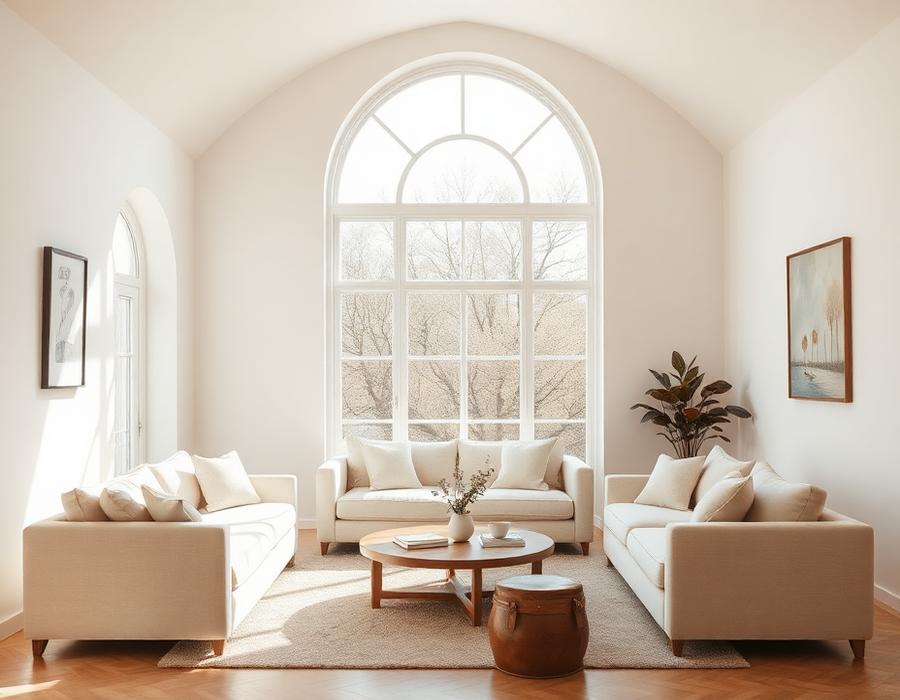
“A house dates the moment it tries too hard to belong to its year.”
03 — Material
Buildings that belong to a place
A timeless building looks as though it could not really have been built anywhere else. The stone was quarried near it, the brick was fired within a day's cart of it, the timber was cut from a wood that still exists. That kind of embeddedness is harder to achieve now, but the instinct behind it — to let the ground the house sits on inform the palette — remains the surest defence against trend.
Contemporary does not have to mean imported. Some of the most modern houses we work on are quietly local: a Surrey brick used in a new bond, an oak framed in a new geometry, a lime render mixed for a new light. The vocabulary is old. The sentence is entirely new.
Timeless architecture is not a style. It is a set of habits: care for proportion, respect for light, loyalty to place, restraint with material. Held together, these habits produce buildings that need very little updating because they were never chasing anything in the first place.