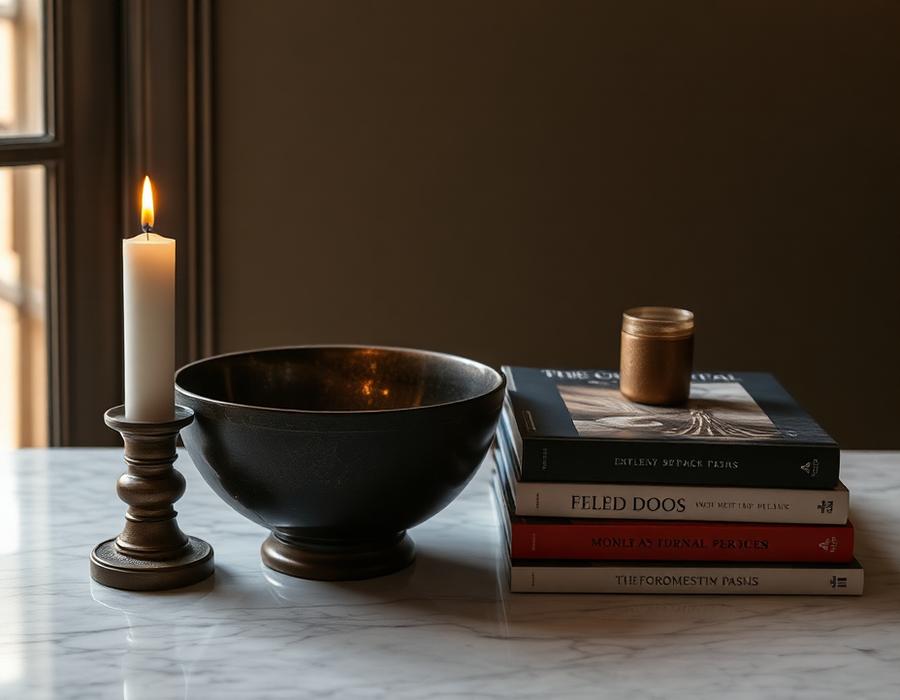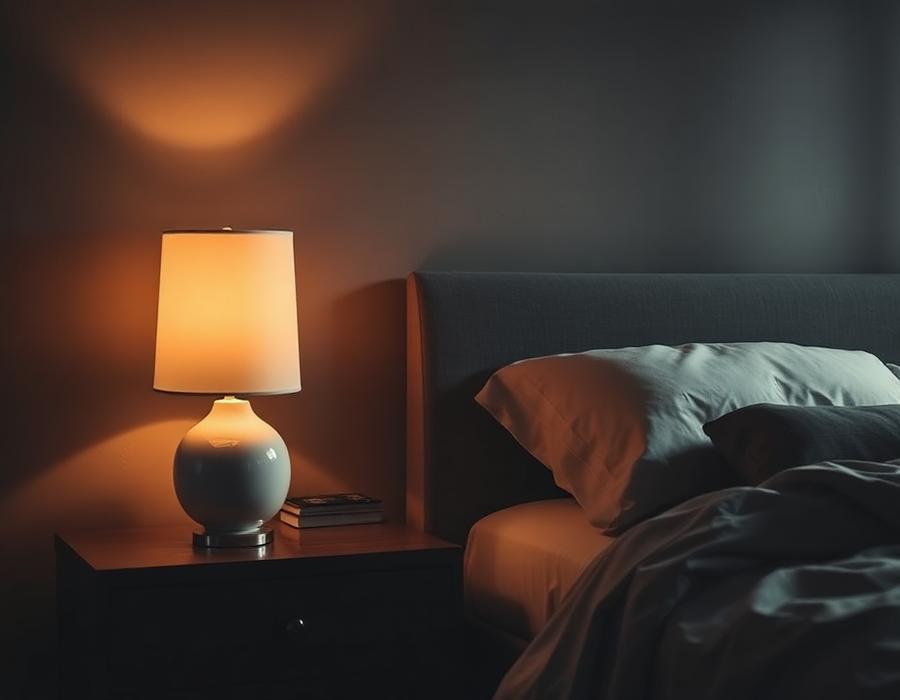
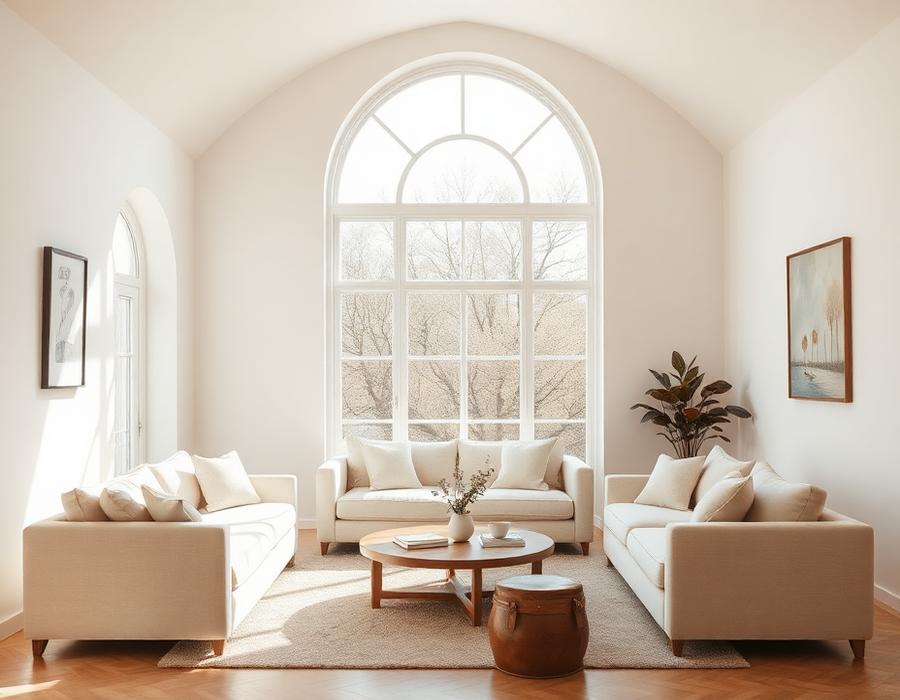
Lighting is the last thing many people think about and the first thing everyone feels. Walk into a room lit badly and no amount of beautiful furniture will rescue it. Walk into a room lit well and even an ordinary space begins to feel considered.
01 — Layers
Never one source, always three
A well-lit room almost always has at least three layers of light working together: an ambient layer that lifts the volume, a task layer that supports the work being done there, and an accent layer that adds intimacy after dark. Any single layer on its own is unforgiving. All three together are what allow a room to change register through the day.
The single downlight grid so common in modern renovations is not lighting design. It is ceiling ventilation. Real lighting design begins by asking where the eye should rest, not where the fittings will fit.
02 — Warmth
The colour of the light matters as much as the light
Colour temperature is the specification that most often ruins otherwise thoughtful projects. Bright, cool white light belongs in operating theatres and offices, not in the room where a family eats dinner. We specify around 2700K almost universally for domestic interiors, and 2200K where a fitting will run dim into the evening. The room relaxes as soon as the light does.
Dim-to-warm fittings — those that shift toward candlelight as they are lowered — are among the few pieces of contemporary technology that genuinely improve the experience of an old-fashioned room.
“The single downlight grid is not lighting design. It is ceiling ventilation.”
03 — Fittings
Beautiful when off, invisible when on
A lamp is a piece of furniture. A pendant is a piece of sculpture. A wall light is a piece of jewellery. Each should be worth looking at when the light is off, because for most of the day that is what they are. In return, the light they cast should not draw attention to itself. You should notice the room, not the bulbs.
This is why we favour warm metals, opaque shades, and generous plates for switches and sockets. The mechanism should feel as considered as the moment of light it produces.
Light is the material that changes every hour of every day, and the one most homes give the least thought to. Treat it as architecture rather than as an afterthought, and the rooms it moves through will always feel finished — at breakfast, at dusk, and at every register in between.